- 3Third keepersince Jun 2023Current
- 2Second keeperFeb 2020 – Jun 20233y 4m
- 1First keeperMar 2018 – Feb 20201y 11m
Ownership history
Every keeper change in order, with how long each one kept the car.
Type a number plate to see the DVLA record, tax, MOT history and mileage free. The full report adds finance owed, write-offs, theft and past plates.
Works withcarsEVsvansmotorbikes
A full report checks 200+ data points, including:
Six of the records, drawn the way they appear in the report. A full report checks 200+ data points in all; see every check.
Every keeper change in order, with how long each one kept the car.
Every recorded reading on one line. A reading that goes backwards stands out at once.
Category S write-offStructural damage recorded, 14 Sep 2023
The insurance category, the date of loss and whether it passed the identity check.
Finance agreement foundLive
Any hire purchase, PCP or conditional sale still registered, so you know who to call before you pay.
Police stolen markerNot recorded
VIN and engine numberMatch the record
High-risk registerNo marker
The police stolen marker, the high-risk register and the numbers that catch a cloned car.
Colour change: blue to grey, 2022
Every earlier registration with its dates, and any colour change the DVLA recorded.
Made-up figures, to show the layout.
Check any UK-registered car, van or motorbike by its reg or VIN, whatever the make. These are the makes buyers check most.
Logos are shown to identify the makes we check. We are not affiliated with or endorsed by any manufacturer.
To check a car by reg is to look up the records held against its number plate before you trust the advert. Our free check reads two of them straight away: the DVLA vehicle record (make, model, colour, engine, fuel, tax status) and the DVSA MOT history (every test since 2005 in Great Britain, with the mileage on the day). The full report uses the same registration to search the records that cost buyers real money: outstanding finance, insurance write-offs, police stolen markers, keeper count and past plates.
Most people start with the free result and decide from there. If the colour is wrong, the MOT history has a hole in it or the mileage goes backwards, you have your answer for nothing. If everything lines up and you’re about to hand over a deposit, that’s the moment the full history report earns its price.
Inside every full report
We check 200+ data points on every full report. These are the 21 checks they come from, each one shown on the report page in plain English.
Most sellers are honest. A few leave out the parts that would lower the price, and some don’t know themselves. These are the gaps a check by registration is built to close.
On hire purchase or PCP the lender owns the car until the last payment. Nothing on the V5C says so. A car finance check names the lender, and our guide to checking for outstanding finance explains who can take the car back.
A Cat S or Cat N car can be repaired and sold legally, but it’s worth less and some insurers price it differently. The car write-off check shows the category.
Each MOT records the odometer. A reading lower than the one before is the first thing to look for, and it’s free to see. The mileage check shows a worked example, and our guide to spotting a clocked car covers the rest.
A thief can put a legal car’s plates on a stolen one of the same model. Matching the VIN to the record catches it. See the stolen car check, the VIN check and our stolen car guide.
A private plate added last month can hide an older identity. The full report lists earlier registrations, and the number plate history guide shows how to read them.
The same advisory on three tests in a row is a bill waiting for the next owner. The MOT history check lays every test out in order.
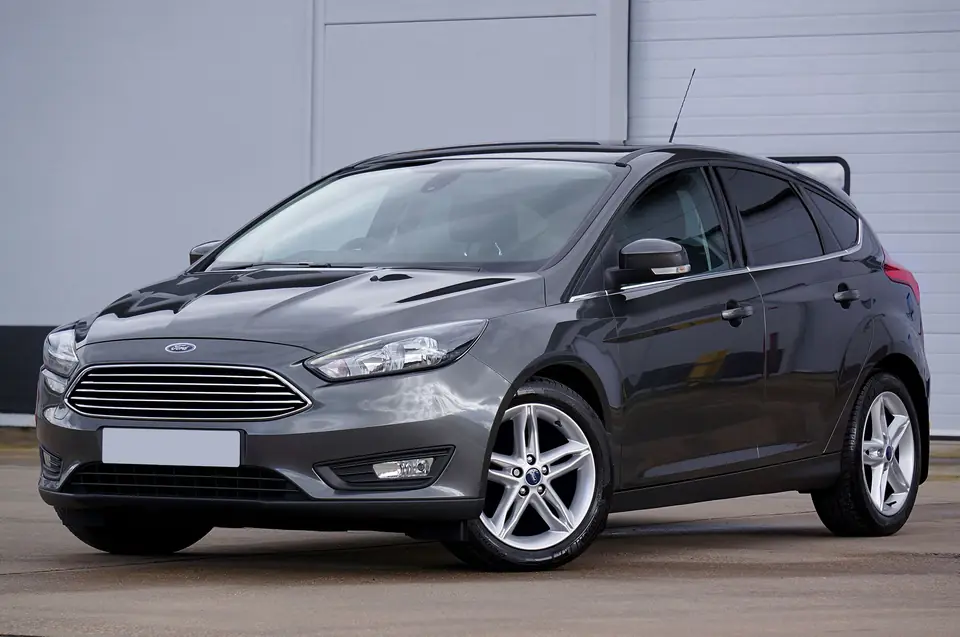
Type the reg while the seller waits. You'll see the MOT record and the mileage before you talk price, and the full report adds finance and write-off records.
Check the reg nowEach check has its own page with an example result, how to read it and what to do if it turns up a problem. New to this? The car check page sorts every result into facts you can act on and clues to ask about.
Finance, write-off, theft and mileage from one reg: what each record means and which ones are free.
What a reg plate tells you before any search, the rules a legal plate must follow, and the records behind it.
Make, model, colour, engine size, fuel and year from the DVLA, free. The quickest way to spot plates that belong to another car.
Every test result with fails, advisories and the mileage, read from DVSA records. Free.
The expiry date from the reg, the earliest day you can book without losing time, and the rules if it has run out.
Taxed, untaxed or SORN, with the date it runs out. The full report adds the tax band and yearly rate.
What the DVLA holds on a car, what it will never release, and what you can see in a minute.
Whether the car meets the Euro standard for London’s zone, worked out from its fuel and age. Free.
The maker’s record: engine power, gearbox, body, weights, towing figures and fuel economy.
The 17-character chassis number on record, to compare with the car and its V5C.
Cat A, B, S or N, and the older C and D, from the insurers’ total loss records.
Tax, MOT results, mileage readings and ULEZ from the reg, with no payment and no sign-up.
Whether the Police National Computer holds a stolen or recovered flag, and which police flags no check can see.
Every earlier registration with the date it changed, and how to read a private plate on and off.
The DVSA logged 33,310,534 MOT tests on class 3 and 4 vehicles in 2025-26. Every one of them sits against a registration, along with the mileage, the result and the tester’s notes. That’s why a number plate on its own is enough to read years of a car’s life.
The same plate leads to the DVLA record, which holds the tax position and the basic identity of the car. Finance houses, insurers and the police keep their own records keyed to the registration and VIN; licensed data providers bring those together for the full report.

Rust and worn brakes show up on a ramp. Outstanding finance, an insurance write-off or a stolen marker don't. Use both before you hand over money.
| Record | Free check | Full report |
|---|---|---|
| Make, model, colour, engine, fuel, year | ✓ | ✓ |
| Tax status and expiry, MOT status and expiry | ✓ | ✓ |
| MOT history, advisories, mileage at each test | ✓ | ✓ |
| ULEZ result | ✓ | ✓ |
| Outstanding finance and the lender | – | ✓ |
| Insurance write-off category | – | ✓ |
| Police stolen marker, high-risk markers | – | ✓ |
| Keeper count, plate and colour changes | – | ✓ |
| Mileage anomaly, imported, exported, scrapped | – | ✓ |
| VIN and engine number, full specification, tax band | – | ✓ |
The full report also covers ex-taxi signs, the old VIC inspection marker, V5C issue dates and how many times the car has been searched before. Each line is explained on what we check, and you can scroll through a sample car check report before paying anything.
The free check costs nothing and needs no account. The full report is a single payment for one registration, with no subscription.
Full report
£11.99
One car, paid once. VAT included, no subscription, no account.
Start with the registrationThe basic check (MOT history, mileage, tax and vehicle details) stays free.
How to check a car for safety recalls with GOV.UK, what a recall means and what to do if one is open.
A ten-advert method for valuing a used car, with how mileage, MOT, finance and write-off history move the price.
The checks, red flags and payment steps for buying a used car from a social marketplace advert.
A car check by registration is a search of the records that UK agencies and companies hold against a number plate. You give the reg; the check returns what’s on file. It doesn’t inspect the car, and it doesn’t rely on anything the seller tells you. That’s the point of it.
Two records are public and free: the DVLA’s vehicle record and the DVSA’s MOT history. GOV.UK runs its own separate lookups for each. Our free check puts both on one page and adds a ULEZ result worked out from the fuel type and age. The rest of a car’s history (money owed on it, insurance claims that ended in a write-off, police reports) is held privately and released through licensed data providers, which is why it sits in a paid report.
This is the whole list, split by who holds the record. Use it to judge how much weight to give each line.
| Record | Free or full report | Where it comes from | What it tells you |
|---|---|---|---|
| Make, model, colour, engine size, fuel, year | Free | DVLA vehicle record | Whether the plate belongs to the car in front of you |
| Tax status and expiry | Free | DVLA vehicle record | Whether it can legally be on the road today, or is SORN |
| MOT status, history and mileage | Free | DVSA MOT records | How the car has been kept, and whether the miles climb steadily |
| ULEZ result | Free | Worked out from DVLA fuel and age data | Whether you’d pay to drive it in London |
| Outstanding finance | Full report | Finance agreements registered by lenders | Whether someone else still owns the car |
| Write-off category | Full report | Insurers’ total loss records | Whether it was written off, and how badly |
| Stolen marker | Full report | Police National Computer, via a licensed provider | Whether it’s recorded as stolen right now |
| Keepers, plate and colour changes | Full report | DVLA history, via a licensed provider | How often it changed hands and identity |
| VIN, engine number, specification | Full report | DVLA and manufacturer data | Whether the car is the version the advert claims |
It’s enough to rule a car out. It can’t rule one in.
The free record answers the questions a seller can’t fudge: what the car is, whether it’s taxed and how its MOTs went. If any of that disagrees with the advert, you’ve saved yourself a trip. What it can’t see is the money and the insurance side. A car can have a spotless MOT history and still belong to a finance company, or have been written off after a flood and repaired well enough to pass every test since. Those two problems are the expensive ones, and neither appears on any free government lookup. So run the free check on every car you like, and the full report on the one you’re about to pay for.
If you only have the 17-character VIN, type that into the same box. Imported cars and cars on their way to a new plate are the usual reasons.
The records tell you what’s been reported. Your own eyes do the rest. At the viewing, look at the car in daylight and dry weather, and bring the report with you.
Start with identity, then history, then money.
Identity. The make, colour and engine size must match. One mismatch can be a data entry error, so ask. Two mismatches and the plate probably isn’t from that car.
History. In the MOT record, look for gaps between tests, advisories that repeat, and corrosion on brake pipes, subframes or sills. Read our guide to MOT advisories for what each wording means. A fail fixed on the same day is normal. A fail followed by a year-long gap is a question.
Money. In the full report, finance and write-off sections come first. A finance marker means don’t pay until the lender confirms it’s settled. A Cat S or N marker means the price should reflect it. A stolen marker means stop and call the police on 101.
Nothing showing in a section means nothing has been reported to that source. That’s good news, but it’s not proof that nothing ever happened: see the limits below.
A car with finance still owed belongs to the lender. Part III of the Hire Purchase Act 1964 gives some protection to a private buyer who buys a car in good faith without knowing about the agreement: in that case they can get good title. It doesn’t protect motor traders, and proving good faith is far harder if a simple check would have shown the finance. Citizens Advice and MoneyHelper both suggest checking before you buy, not relying on the Act afterwards.
A stolen car is different. The Act doesn’t help, and the car can be taken back by the police and returned to its owner or their insurer. You’d be left trying to recover your money from the seller. Knowingly handling stolen goods is a criminal offence in its own right.
The road rules matter too. GOV.UK sets a fine of up to £1,000 for driving without a valid MOT, and up to £2,500, a driving ban and 3 penalty points for driving a car with a dangerous defect. Vehicle tax doesn’t pass to the buyer, so you tax the car before you drive it home; the car tax check shows its current position, and our SORN guide covers a car that’s been declared off the road.
A check reads records. It can’t read the car.
For an expensive car, or one you can’t judge yourself, add an independent inspection to the check.
It’s not only for buyers. Owners use the same free check to find out when the MOT is due, whether the tax has gone through after a payment, what the car’s emissions standard is before a trip into London, or what the DVLA holds before selling. If you’re selling, running the full report on your own car lets you answer a buyer’s questions before they ask them.
Yes. The DVLA vehicle details, tax status, MOT status, the MOT history with mileage and the ULEZ result are free, with no account. The full report is optional.
Yes. Type the 17-character VIN in the same box. The VIN check page explains what the number means and where it’s stamped.
No. Keeper names and addresses are personal data. The full report gives the number of keepers and when the car changed hands.
It reads the same DVLA record and puts the DVSA MOT history beside it. Our DVLA vehicle check page sets out what each source holds.
The free check gives engine size, fuel and year. Engine power, gearbox, weights and economy are in the full report; see the car spec check.
The DVLA record covers the whole UK. Northern Ireland MOTs are run by a separate agency, so an NI car’s MOT history may be missing or shorter.
Only if an insurer wrote it off, which shows as a category in the full report. Smaller repairs aren’t recorded anywhere central. Our write-off categories guide explains what each category means.
It opens on screen once the payment clears, usually within seconds, and a copy goes to the email you give at checkout.
Yes, once it has a UK registration. The full report shows import and export markers. Our imported car guide covers what else to ask for.
Don’t pay until it’s settled. Ask the seller to explain in writing, or walk away. If you’ve already bought the car, contact us with the reg and we’ll help you read the result.
More answers on our car check FAQs page, including how an HPI check by reg differs from the free record.